







Search Results for: Characteristics of Brazilian Coffee Beans
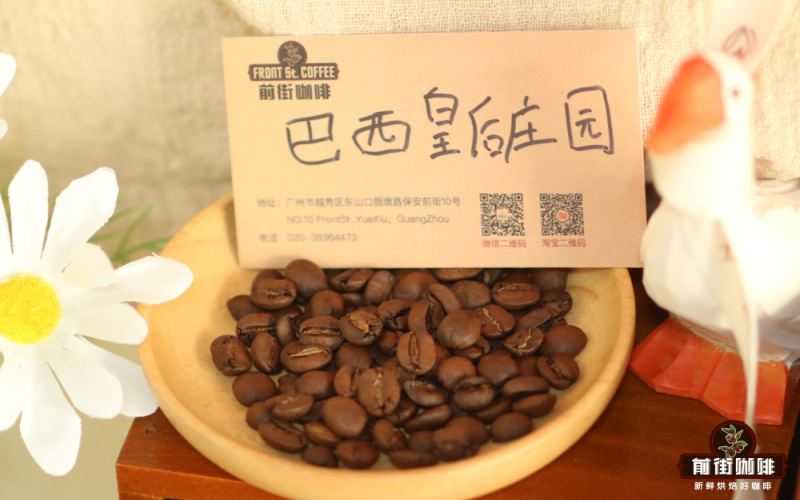
Analyzing the Flavor Characteristics of Brazilian Coffee Beans: Low Acidity, Full Body, and Nutty Notes — Are They Suitable for Espresso Blends?
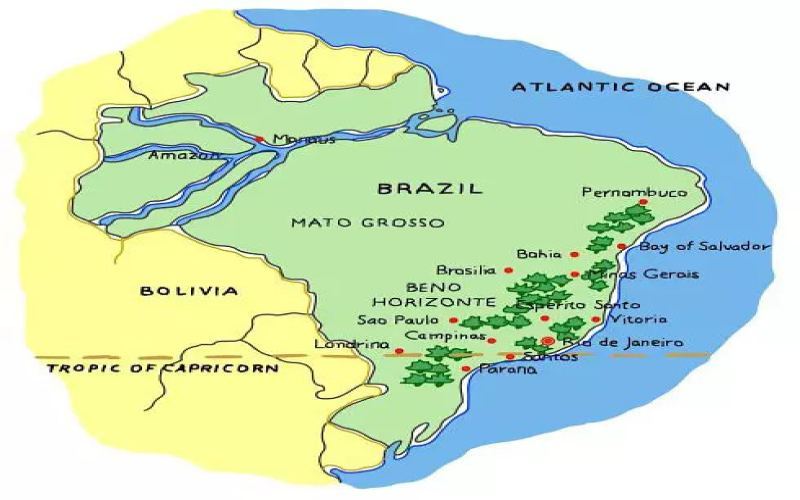
Brazil is one of the world's most important Arabica coffee producers, and its coffee industry plays a pivotal role in the national economy. In recent years, it has also begun to make a name for itself in the specialty coffee sector. Brazilian specialty coffee is mainly distributed across Minas Gerais, São Paulo, Paraná, and Mogiana, with varieties dominated by Bourbon, Typica, Caturra, and Mundo Novo. Because the growing regions are at relatively low altitudes, have flat terrain, lack microclimates, and are mostly cultivated without shade, Brazilian beans generally do not possess the bright acidity and delicate flavors of other Central and South American origins. Instead, they display regional characteristics of low acidity, nutty notes, chocolate sweetness, balanced acidity and bitterness, and good body. Precisely because their flavors are not particularly prominent yet their body is excellent, Brazilian beans are widely used in espresso blends, and they can be found in almost every espresso recipe. After cupping many Brazilian beans, Front Street Coffee also listed two specialty single-origin coffees, Cerrado and Mogiana, as well as three espresso blends based mainly on Brazilian beans, to meet different needs. [more…]
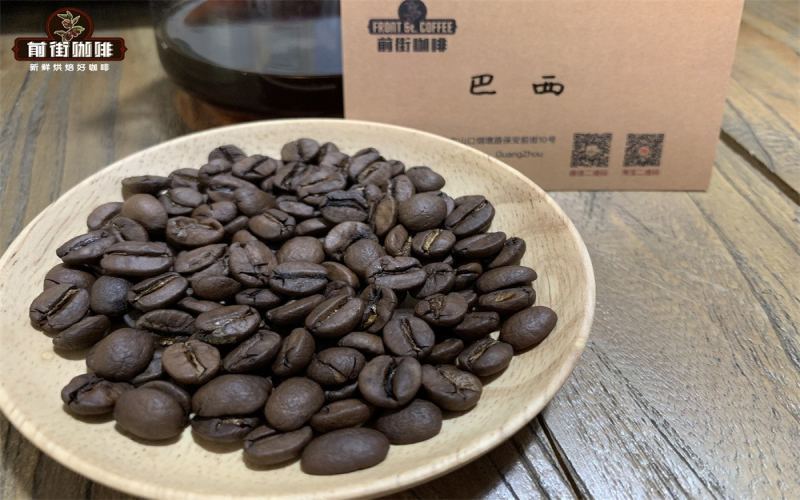
Analysis of Brazilian Coffee Bean Flavor Characteristics and the Pulped Natural Processing Method: Is Arabica Suitable for Pour-Over?
As the world's largest coffee producer, Brazil is known for its coffee beans with low acidity, nutty and chocolate flavors, and a smooth mouthfeel, making them suitable for both blends and single-origin brews. This article explores Brazil's coffee-producing regions, main varieties, and pulped natural processing method, offering an in-depth analysis of the flavor characteristics of Brazilian coffee beans and discussing whether they are suitable for pour-over coffee. It also combines Front Street Coffee's Brazilian everyday beans and Queen Coffee to provide specific brewing parameters and flavor descriptions, helping coffee enthusiasts fully appreciate the charm of Brazilian coffee. [more…]
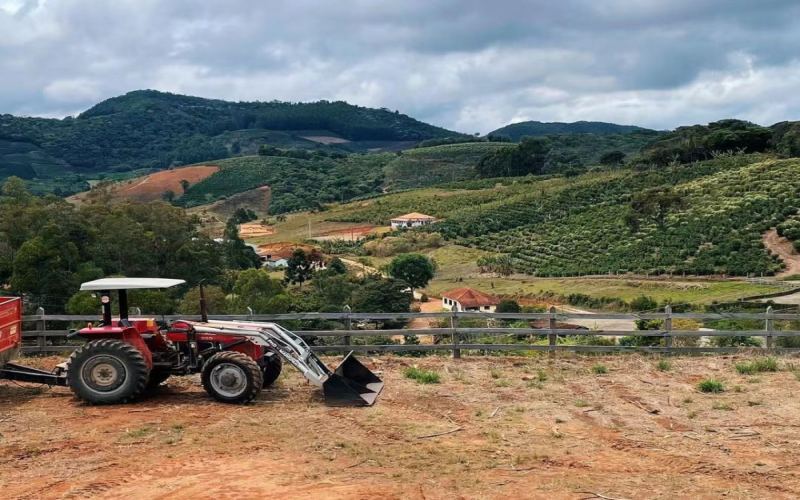
A Full Analysis of Brazilian Coffee Beans: Flavor Characteristics, Major Producing Regions, the Pulped Natural Process, and Brewing Suggestions
Brazil is the world's largest producer of Arabica coffee, supplying both large volumes of commercial beans and specialty coffee. Because of its flat terrain and lack of microclimates, Brazilian beans typically have lower acidity, with flavors dominated by nuts, caramel, and chocolate. After cupping many Brazilian beans, Front Street Coffee often uses a medium-dark roast to highlight their balanced, full-bodied character. This article will systematically introduce the characteristics of Brazilian coffee beans from aspects such as the climate of the producing region, specialty-producing areas, representative bean varieties, the pulped natural processing method, and pour-over extraction parameters, while retaining Front Street Coffee's product and brewing recommendations to help coffee lovers understand the flavor logic of Brazilian coffee more comprehensively. [more…]
A Complete Guide to Brazilian Coffee Flavor Characteristics and Producing Regions: From Pulped Natural Processing to Bourbon Varieties
Brazil, as the world's largest producer of Arabica coffee, is known for its low acidity, nutty and chocolatey flavor profile, and full body, and is widely used in espresso blends. This article systematically reviews the cultivation history of Brazilian coffee, the terroir differences between its main producing regions (Sul de Minas and Cerrado), the characteristics of Red Bourbon and Yellow Bourbon varieties, and the pulped natural process developed to suit the local climate. At the same time, Front Street Coffee will share brewing ideas for Brazilian coffee and the three-stage brewing parameters for the KONO dripper, giving you a comprehensive understanding of this balanced yet understated coffee powerhouse. [more…]
A Complete Guide to Brazilian Coffee Origins: Flavor Characteristics, Varieties, and Processing Methods of Cerrado and Queen Estate
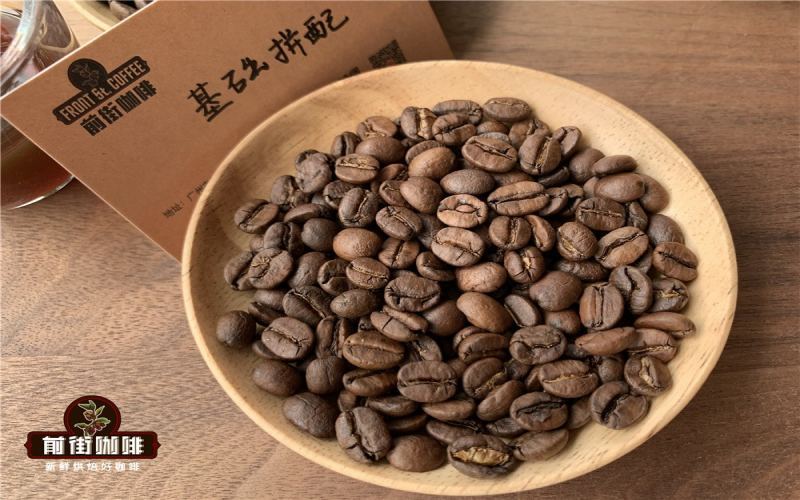
As the world's largest producer of Arabica coffee, Brazil's coffee, with its mild and smooth characteristics, low acidity, and moderate body, has become an indispensable foundational component in coffee blends. From Sul de Minas to the Cerrado, from Bourbon to Catuaí, Brazilian coffee varieties and processing methods each have their own distinctions. This article systematically examines the geographical conditions, major producing regions, variety characteristics, and processing methods of Brazilian coffee, with a focus on introducing the flavor profiles and brewing recommendations of two representative Brazilian beans selected by Front Street Coffee—the Cerrado and Queen's Farm—guiding you through a comprehensive understanding of the unique charm of this "coffee kingdom." [Image 1] As the cornerstone of coffee blends, Brazilian coffee beans, while lacking stunning highlights, also reveal no obvious shortcomings. They have a warm and gentle mouthfeel, low acidity, moderate body, and a hint of subtle sweetness. Completely different from the intense lemon-citrus acidity of Yirgacheffe, and unlike the heavy, bold intensity of Indonesian Mandheling, Brazilian coffee's acidity and bitterness are both relatively restrained, giving it a broad market in the blending field. Front Street's three blends: the Italian moka pot coffee beans recommended by many baristas—Front Street Dark Cocoa Blend, Specialty Blend, and Commercial Blend—all use Brazilian coffee beans as their base. [more…]
Brazilian Coffee Bean Characteristics | Why Is Brazilian Coffee Mostly Used in Espresso Blends? Which Single-Origin Brazilian Coffees with Distinct Nutty Sweetness Are Recommended?
As the largest coffee-producing country, Brazil offers a wide variety of coffees. Brazilian coffee beans have a moderate acidity, and the balance brought by their sweetness, bitterness, and body is excellent. When roasted, they give off a nutty aroma, with a mellow taste and a faint acidity, making them suitable for both single-origin and blended use. When buying Brazilian coffee beans, it is recommended to prioritize [more…]

An Analysis of Brazilian Coffee Bean Varieties, Grading, and Flavor Characteristics: Rich, Balanced Taste and Front Street Brand Single-Origin and Blend Recommendations
As the world's largest coffee producer, Brazil yields coffee beans with a balanced flavor profile, moderate acidity, and a rich blend of sweetness and bitterness, carrying a natural nutty aroma—equally adept as a single origin or in blends. This article outlines the varieties and grading characteristics of Brazilian coffee, explains why it is so popular in the blending sector, and recommends a range of Front Street Coffee's Brazilian single-origin and espresso blend beans, covering specific regions, estates, processing methods, and flavor information such as Cerrado Red Bourbon and Queen Estate Yellow Bourbon, providing a reference for coffee lovers when making purchases. [more…]
Analysis of Brazilian Coffee Bean Flavor Characteristics and Grade Classification, with Two Single-Origin Pour-Over Recommendations from Front Street Coffee
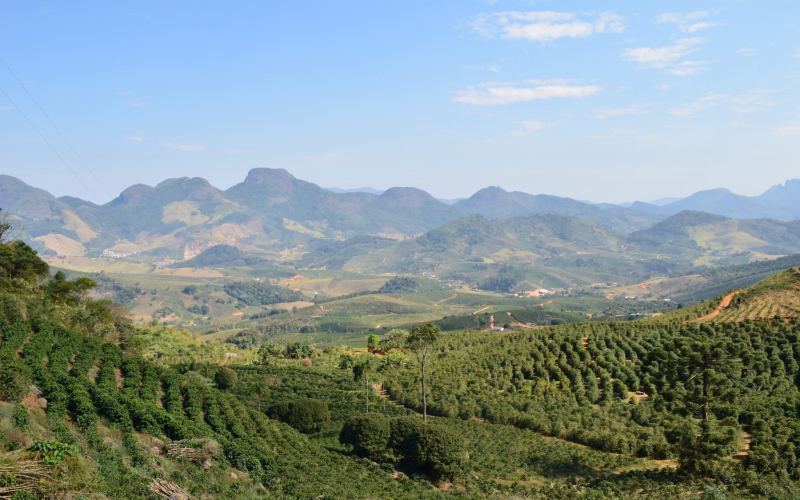
Brazil is the world's largest producer of Arabica coffee. Thanks to its flat terrain and volcanic soil, coffee cultivation and harvesting costs are relatively low, and it also exerts a profound influence on international coffee futures prices. Brazilian coffee beans are mostly grown at altitudes between 400 and 1,600 meters, and their density is lower than that of high-altitude beans from Central America. Their flavor is primarily smooth and balanced, with nutty and chocolate notes, and neither acidity nor bitterness is pronounced. Through cupping comparisons, Front Street Coffee has found that whether as a single-origin pour-over or in an espresso blend, Brazilian beans deliver an experience like a liquid nut pie. This article will outline the variety composition and grading methods of Brazilian coffee, and introduce two Brazilian single-origin beans sold by Front Street Coffee along with their pour-over extraction recipes. [more…]
Analysis of Brazilian Coffee Bean Flavor Characteristics and Grading System: A Specialty Tasting Guide from Santos to Cerrado and Mogiana
Brazil, as the world's largest producer of Arabica coffee, accounts for about thirty percent of global coffee consumption. Its coffee industry relies not only on its unique geographical and climatic conditions but also on industrialized operational models that have created considerable economic benefits. Brazilian specialty coffee is mainly rooted in regions such as Minas Gerais, São Paulo, Paraná, and Mogiana. Compared with other producing regions in Central and South America, Brazilian coffee-growing areas have lower elevations, flat terrain, a lack of microclimates, and are mostly cultivated without shade, which shapes a unique regional flavor profile of low acidity, prominent nutty and chocolate aromas, balanced acidity and bitterness, and good body. This article will systematically review the grading methods for Brazilian coffee beans—including the defect deduction method, screen size selection, cup quality evaluation, and flavor profile classification—and focus on introducing two specialty beans sold by Front Street Coffee: Cerrado semi-washed Red Bourbon and Mogiana semi-washed Yellow Bourbon. It will also share suggested extraction parameters for pour-over and French press to help coffee enthusiasts gain a comprehensive understanding of the charm of Brazilian coffee. [more…]
A Comprehensive Analysis of Brazilian Coffee Beans: Growing Regions, Flavor Characteristics, and Pour-Over Brewing Guide
Brazil is the world's largest producer of Arabica coffee, supplying the global coffee market with large quantities of both commercial and specialty beans. This article systematically reviews Brazil's geographical and climatic conditions, its main specialty-producing regions, flavor characteristics, and processing methods, and provides a detailed introduction to the sources of Front Street Coffee's Brazilian single-origin and blended beans currently on sale. It also shares the pour-over extraction parameters and three-stage brewing steps used at Front Street's stores, helping coffee enthusiasts recreate the balanced, full-bodied classic flavor of Brazilian coffee at home. [more…]

Brazilian Bourbon Coffee Beans | Introduction to Brazilian Coffee Grading, Processing Methods, Regional Characteristics and Flavors, and Brand Recommendations for Brazilian Red Bourbon and Yellow Bourbon
For more specialty coffee knowledge, please follow: Front Street Coffee (Frontsteet Coffee) Brazil is the largest coffee-producing country in the world, with coffee beans of various grades and types. Brazil's domestic coffee consumption accounts for one-third of the global total, and at the same time Brazil's coffee trade [more…]
A Complete Analysis of Brazilian Coffee Regions: Altitude, Growing Characteristics, Grading System, and Flavor Profile
Brazil, globally recognized as the "Coffee Kingdom," has long ranked first in the world in coffee production, exports, and per capita consumption. This article starts with the basic definition of Brazilian coffee beans, detailing their flavor characteristics of large beans, rich taste, low acidity, and smooth, sweet drinkability. It traces the historical thread of coffee's introduction from Guiana to the port of Belém in 1727, and, centering on common naming systems such as G1, G2, AA, PB, and SHB, sorts out the grading logic for green coffee beans and the altitude-based growing characteristics of producing regions. Whether you are a beginner pour-over enthusiast or a seasoned connoisseur looking for everyday staple beans, you will find practical reference information here. Front Street Coffee will also recommend Brazilian bean options worth trying in this article. [more…]
A Comprehensive Guide to the Brazilian Cerrado Coffee Bean Grading System, Pour-Over Parameters, and Flavor Characteristics
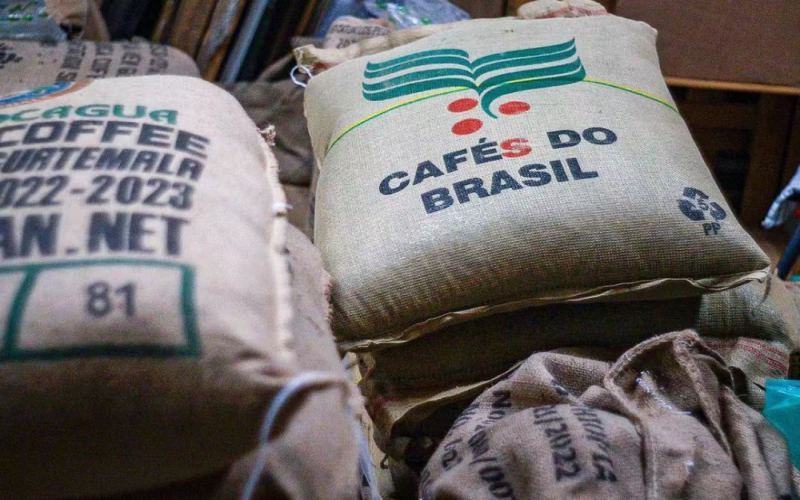
As the world's largest coffee-producing country, Brazil has a coffee bean grading system that is completely different from common systems like Kenya AA or Yirgacheffe G1. What exactly do the markings NY.2 SC-17/18 FC on the burlap sacks represent? Why has the Cerrado region become a classic representative of Brazilian specialty coffee? From the perspective of Front Street, this article traces the historical development of Brazilian coffee, its producing regions, and the logic behind green bean grading, and provides a detailed introduction to the brewing method and flavor profile of the Brazilian Red Bourbon semi-washed beans in Front Street's everyday drinking bean series, offering a systematic understanding of the unique charm of this major South American coffee nation. [more…]
An Analysis of the Flavor Characteristics and Grading System of Brazilian Specialty Coffee Beans: A Tasting Guide from Santos to Cerrado and Queen Farm
As the world's largest producer of Arabica coffee, Brazil accounts for roughly thirty percent of both the commercial-grade and specialty-grade coffee markets combined, and the highly industrialized nature of its coffee sector is the key to sustaining this position. This article systematically reviews Brazilian specialty coffee beans across three dimensions—growing region distribution, flavor characteristics, and grading methods—and takes an in-depth look at two products sold by Front Street Coffee: Cerrado Red Bourbon and Mogiana Yellow Bourbon. It also includes specific parameters and brewing techniques for two extraction methods, pour-over and French press, to help enthusiasts fully unlock the regional character of Brazilian beans: low acidity, nutty and chocolate sweetness, and a rich, well-balanced body. [more…]
A Complete Analysis of Brazilian Coffee Bean Regions, Varieties, and Grades, with a Detailed Introduction to the Flavor Characteristics of Pour-Over Brazilian Coffee
Brazil, as the world's largest coffee producer, is renowned for coffee beans that are balanced in flavor, low in acidity, and prominently feature nutty and chocolate notes. This article will systematically introduce the main coffee-producing regions of Brazil, with a focus on analyzing the geographical characteristics of representative regions such as Cerrado, Sul de Minas, and Mogiana, as well as the flavor differences among core varieties like Red Bourbon and Yellow Bourbon. It will also provide a detailed explanation of how Brazil's unique pulped natural processing method improves coffee quality, along with hand-brewing parameters and brewing suggestions recommended by Front Street Coffee, helping coffee enthusiasts gain a comprehensive understanding of Brazilian coffee from origin to cup. [more…]
Brazilian Yellow Bourbon Coffee Flavor Balance and Taste Characteristics: The Brazilian Coffee Story, How to Brew and Roast It for a Delicious Cup
As the world's largest coffee producer, Brazil is often misunderstood as producing only commercial beans, but in fact it is also home to champion-level specialty coffee. This article begins with the legends and stories of Brazilian coffee, then discusses the impact of the pandemic on the harvest and the role of shade trees in mitigating climate warming, before focusing on the premium Yellow Bourbon variety, introducing its flavor characteristics and the natural-process Yellow Bourbon from Queen's Farm. Finally, it includes Front Street Coffee's roasting and brewing recommendations, including the KONO dripper, 87°C water temperature, a 1:15 coffee-to-water ratio, and a segmented extraction method, giving you a complete understanding of this bean's balanced sweetness and nutty chocolate notes. [more…]
Brazilian Coffee Bean Grading Standards and Regional Growing Characteristics, Analysis of Flavor Differences Under Different Pour-Over Methods
As the world's largest coffee producer, Brazil is renowned for its coffee's nutty and chocolatey notes, full-bodied and balanced taste, and stable supply. This article begins with the cultivation characteristics and main producing regions of Brazilian coffee, sorting out the terroir differences between two high-quality regions: Mogiana in São Paulo state and Cerrado in Minas Gerais state. It introduces two representative varieties, Red Bourbon and Yellow Bourbon, and provides a detailed interpretation of the grading system for Brazilian coffee beans based on flavor, defect rate, cupping score, and bean size. At the same time, using Cerrado Red Bourbon and Queen's Farm Yellow Bourbon as examples, it shares Front Street Coffee's brewing parameters and staged extraction techniques, comparing the specific performance of the two beans in terms of body, cleanliness, and sweetness. [more…]
A Complete Analysis of Brazilian Coffee Flavor Characteristics, Major Producing Regions, and Variety Grading: From Bourbon to Pulped Natural Processing
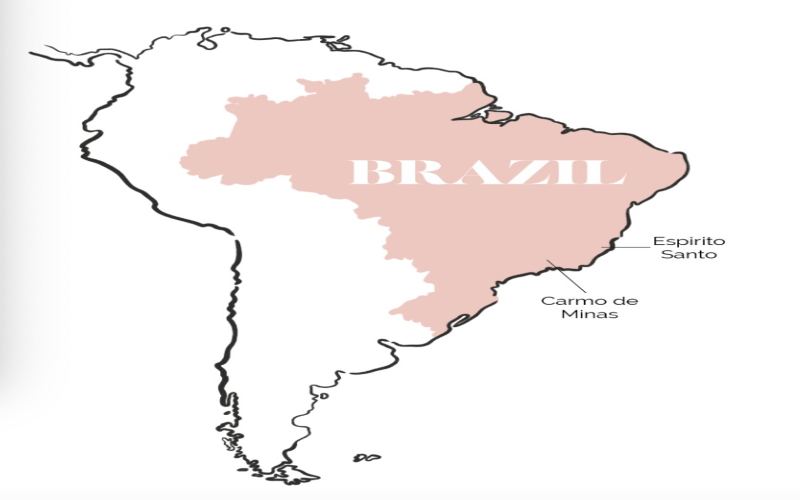
Brazil is one of the top three coffee-producing and exporting countries in the world. Its coffee is known for a balanced, smooth profile with nutty and chocolatey notes. Although it is not as distinctive as Indonesian Mandheling or Ethiopian Yirgacheffe, it represents a cup of "authentic coffee." From the perspective of Front Street Coffee, this article systematically reviews Brazil's main coffee varieties (Bourbon, Mundo Novo, Catuai), four core producing regions (Minas Gerais, Sao Paulo, Bahia, Espirito Santo), its unique pulped natural processing method, and the rise of specialty coffees such as Queen's Farm. It also analyzes how Brazil's flat terrain affects flavor and compares it with high-altitude Colombian coffee. Whether you are a coffee enthusiast or a professional in the industry, you can gain an understanding of the underlying logic and quality potential of Brazilian coffee. [more…]
An Overview of Brazilian Coffee Bean Varieties and a Comprehensive Analysis of Flavor Characteristics by Producing Region
Brazil is the world's largest coffee-producing country, and its coffee beans are known for being inexpensive and high quality, widely used in the production of blended coffee and instant coffee. This article reviews the main varieties of Brazilian coffee and their flavor characteristics, detailing Brazilian coffee's overall style—mild and smooth, low in acidity, and with a long finish—from bean size and aroma intensity to the balance of acidity and bitterness. At the same time, the article also mentions Front Street Coffee's recommendations for Brazilian beans, helping coffee enthusiasts gain a more comprehensive understanding of the unique charm of this major South American coffee country. [more…]
Brazilian Coffee Brands Overview: A Full Analysis of Arabica Bean Characteristics and Flavor Profiles
Brazil, as the world's largest coffee producer and second-largest consumer, holds a pivotal position in the coffee industry. This article focuses on Brazilian coffee brands and bean varieties, with particular emphasis on answering whether Brazilian coffee beans belong to the Arabica species and how they perform in terms of flavor. The article begins with two single-origin selections from Front Street Coffee—Red Bourbon and Yellow Bourbon—providing a detailed comparison of their varietal origins, processing methods, and flavor differences, and extends to espresso blends containing Brazilian beans, including Front Street Specialty Blend, Dark Cocoa Base Blend, Classic Blend, and Commercial Blend, helping coffee enthusiasts gain a comprehensive understanding of the sweetness, nutty, and chocolate notes of Brazilian Arabica coffee. [more…]